
Scrambled eggs might seem simple, but getting them just right takes a bit of finesse. It’s all about gentle heat and constant stirring, which transforms humble eggs into something rich, creamy, and comforting. I’ve learned that rushing or cranking the heat too high turns them rubbery faster than you can say breakfast.
This recipe is my go-to for lazy mornings and quick bites alike. It’s the kind of dish that feels indulgent without fuss—just eggs, butter, and a little patience. The real secret is in the slow, steady process that makes every bite feel like a warm hug.
Focusing on the importance of gentle, consistent heat and frequent stirring to achieve irresistibly creamy, custard-like scrambled eggs that feel like a personal comfort in every bite.
The secret to creamy eggs
- There’s a rare, almost sacred joy in mastering the perfect creamy scramble that melts in your mouth.
- I used to rush, but now I savor the slow stirring—each tiny fold feels like a small victory.
- Nothing beats the nostalgic comfort of eggs cooked just right, especially on a quiet weekend morning.
- Getting these eggs perfect felt like a personal triumph after countless failed attempts—patience truly pays off.
- The chaos of a busy kitchen fades away when I finally get that silky, fluffy texture I crave.
The story behind this recipe
- I remember the first time I tried making scrambled eggs that didn’t turn rubbery. It was a quiet Sunday morning, and I was determined to crack the code of creamy, soft curds. That small victory made me realize how much patience and gentle heat matter more than any fancy ingredient.
- Ever since, I’ve kept that slow, low-heat method close. It’s become my ritual, a moment to slow down and focus on the simple act of cooking. Nothing beats that warm, buttery smell filling the kitchen as I fold the eggs into silky clouds—it’s my little daily meditation.
- The secret to creamy eggs
- There’s a rare, almost sacred joy in mastering the perfect creamy scramble that melts in your mouth.
Historical and Cultural Trivia
- Scrambled eggs date back to ancient times, with some of the earliest records from Roman and Middle Eastern cuisines, where eggs were gently cooked over low heat to preserve their delicate texture.
- The technique of slow, gentle stirring to achieve creamy scrambled eggs became popular in French cuisine, emphasizing patience and precision over speed, transforming a humble dish into an art form.
- In the 20th century, the rise of convenience foods led to faster cooking methods, but traditionalists still advocate for the slow, low-and-stir approach for perfect texture.
Ingredient breakdown
- Eggs: I always go for large, fresh eggs—more flavor and better texture. If yours are a bit older, beat them a little longer to incorporate air.
- Butter: I use unsalted butter for richness. A splash of olive oil can add a subtle fruity note, but it won’t be as creamy.
- Salt: I add a pinch early to help break down the eggs. Too much too soon, though, can make them watery—season in small increments.
- Cream or Milk: I prefer a splash of heavy cream for extra silkiness. Skip it if you want a leaner scramble, but the texture changes noticeably.
- Pepper: I like freshly cracked black pepper—adds a slight punch. Add it at the end so it stays bright and fresh.
- Optional herbs or cheese: Fresh chives or a sprinkle of soft cheese can elevate the dish, but keep it simple to appreciate the eggs’ natural creaminess.
- Cooking oil or spray: I sometimes use a light spray of neutral oil if I want a slightly different mouthfeel—just enough to prevent sticking without greasing the whole pan.
Spotlight on key ingredients
Eggs:
- I prefer large, farm-fresh eggs—they have a richer flavor and a more vibrant yolk that makes the scramble look lively and inviting.
- When they’re a bit older, I beat them a little longer to incorporate air, which helps achieve a fluffier texture.
- The yolk’s richness adds a silky mouthfeel, and the whites provide the structure that keeps the scramble tender.
Butter:
- I use unsalted butter because it melts smoothly, lending a gentle, creamy flavor that’s essential for a luscious scramble.
- When I add a splash of olive oil instead, the eggs gain a slightly fruity aroma, but the texture becomes a touch lighter and less velvety.
- It’s the slow melting and gentle foaming that creates that delicate, custard-like consistency I love.
Notes for ingredient swaps
- Dairy-Free: Use coconut cream or almond milk instead of heavy cream for a richer, slightly nutty flavor. Keep in mind, the texture might be a touch lighter and less silky.
- Vegan: Swap eggs for silken tofu blended until smooth. It mimics the creaminess but has a different mouthfeel—more custardy than fluffy.
- Butter: Substitute with olive oil or a neutral oil like canola. The eggs may not be as rich, but you’ll avoid dairy and add a subtle fruity or neutral note.
- Salt: Use sea salt or Himalayan pink salt for a more nuanced flavor. Adjust quantity to taste, as some salts are more potent than regular table salt.
- Pepper: Freshly cracked black pepper gives a bright, pungent kick. For a different twist, try white pepper for a milder heat or chili flakes for spice.
- Herbs & Add-ins: Fresh chives, parsley, or soft cheeses like ricotta can be added at the end. Keep it simple to highlight the eggs’ natural creaminess.
- Cooking Oil: Light spray of neutral oil or ghee can be used instead of butter. The final texture will be slightly different—less rich but still delicious.
Equipment & Tools
- Non-stick skillet: To cook eggs evenly without sticking.
- Silicone spatula: To gently fold and stir eggs without breaking curds.
- Small bowl: To beat eggs and mix seasonings uniformly.
- Whisk or fork: To thoroughly beat eggs and incorporate air for fluffiness.
Step-by-step guide to perfect scrambled eggs
- Gather your equipment: a non-stick skillet, a silicone spatula, a small bowl, and a whisk or fork. The skillet should be about 20cm or 8 inches, non-stick helps control heat and prevents sticking.
- Crack 3 large eggs into the bowl. Add a pinch of salt and a splash of heavy cream or milk if using. Whisk vigorously for about 20 seconds until fully combined and slightly frothy.
- Place the skillet over low heat—around 90°C/200°F. Add 1 tbsp unsalted butter, let it melt slowly, just until it starts to foam but not brown.
- Pour the eggs into the skillet, letting them spread evenly. Wait 10-15 seconds for the edges to set slightly. Gently stir with the spatula, pushing from the edges to the center, forming soft curds.
- Continue stirring gently every 20-30 seconds. Keep a close eye; the eggs should be barely set and still slightly runny in the middle after about 3-4 minutes.
- Check for doneness: the eggs should look silky, slightly glossy, and hold their shape but still be moist. If they look dry or crackle, remove from heat immediately.
- Remove from heat when just barely cooked—the residual heat will finish the process. Let sit for 30 seconds, then give a final gentle stir.
- Serve immediately on warm plates. Optionally, sprinkle with freshly cracked black pepper or chopped herbs. The eggs should be creamy, tender, and melt-in-your-mouth.
Serve immediately while warm and creamy. No resting needed—eggs are best fresh. Plate with a gentle final stir for silky texture. Finish with herbs or pepper if desired.
How to Know It’s Done
- Eggs are glossy and slightly runny but hold shape when stirred.
- Color is a soft, pale yellow with no browning or dry patches.
- The texture is creamy, not rubbery or crumbly, when gently pressed.
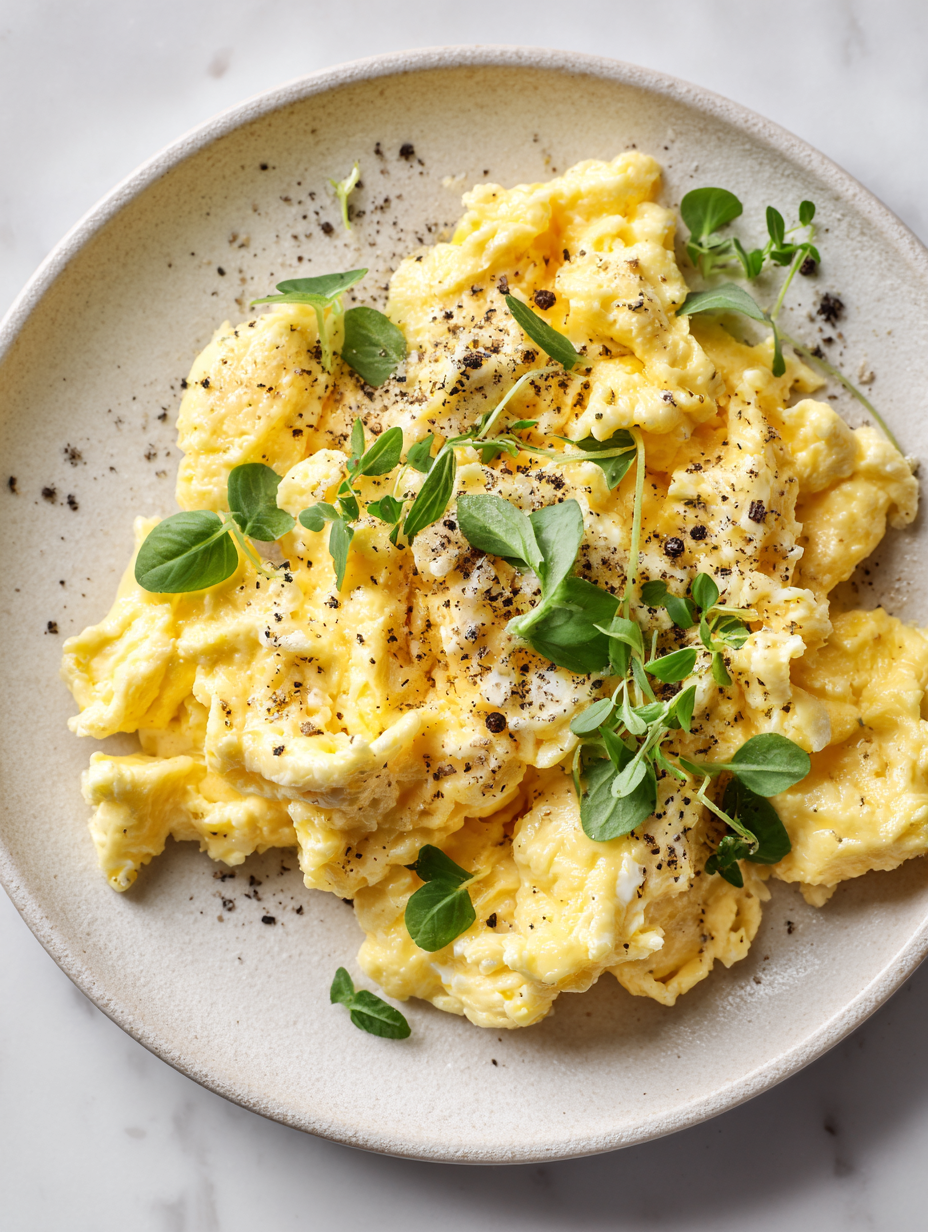
Creamy Gentle-Heat Scrambled Eggs
Ingredients
Equipment
Method
- Crack the eggs into a small bowl and add a pinch of salt. Whisk vigorously for about 20 seconds until the mixture is fully combined and slightly frothy, releasing a gentle aroma of eggs.
- Place your non-stick skillet over very low heat—around 90°C or 200°F—and add the butter. Let it melt slowly, listening for a gentle sizzle and watching it foam without browning, creating a rich, glossy base.
- Pour the beaten eggs into the skillet, tilting to spread evenly. Allow the eggs to sit undisturbed for about 10-15 seconds until the edges just begin to set and turn slightly opaque.
- Gently stir the eggs using your silicone spatula, pushing the curds from the edges toward the center. Keep the movement slow and gentle, creating soft, silky folds that look shiny and moist.
- Continue stirring every 20-30 seconds, maintaining low heat. The eggs will gradually become creamy and look glossy, with small soft curds forming and staying moist. Add the heavy cream now if using, and fold gently into the eggs.
- Watch closely as the eggs approach the desired consistency; they should look silky, slightly runny but holding their shape. Remove the skillet from heat when they are just barely set, as residual heat will finish the cooking.
- Give the eggs a final gentle fold, then season with freshly cracked black pepper. Serve immediately on warm plates to enjoy their tender, custard-like texture while still silky and moist.
Tips for perfect scrambled eggs
- Use low heat—takes patience but yields silky eggs.
- Constant gentle stirring prevents curdling and keeps texture creamy.
- Remove eggs from heat just before they look fully done—the residual heat finishes the job.
- Use a silicone spatula—flexible, gentle, and perfect for folding delicate curds.
- Add a splash of cream or milk early—enhances richness and smoothness.
- Season gradually—salt early to break down eggs, pepper at the end for brightness.
- Serve immediately—creamy eggs lose their ideal texture if left sitting.
Common mistakes and how to fix them
- FORGOT to lower heat → Eggs turn rubbery, fix by reducing heat immediately.
- DUMPED all eggs at once → Stir gently from the start for creamy curds.
- OVER-TORCHED eggs → Remove from heat sooner; residual heat finishes cooking.
- SKIPPED stirring → Keeps eggs uneven and dry; stir constantly for consistency.
Quick fixes and pantry swaps
- When eggs appear watery → Splash in a little more milk and stir quickly to re-emulsify.
- If eggs stick to pan → Patch with a quick wipe, add more butter, and lower the heat.
- When eggs are overcooked and dry → Shield with a damp cloth over the pan for 30 seconds to rehydrate.
- Dumped in eggs too fast → Rescue by lowering heat immediately and gently folding to prevent curdling.
- When eggs lack creaminess → Swap out milk for a splash of heavy cream or a dollop of soft cheese for silkiness.
Prep, store, and reheat tips
- Prep the eggs by cracking and beating them with salt and cream in advance; store in an airtight container for up to 24 hours. The mixture will be slightly frothy—give it a quick whisk before cooking.
- You can melt and clarify the butter ahead of time; keep it refrigerated and gently rewarm to just a simmer before using. The butter’s aroma should be warm and inviting, not burnt.
- Cooked scrambled eggs are best enjoyed fresh, but if needed, store leftovers in an airtight container for up to 2 days in the fridge. The texture will be firmer and less silky when reheated.
- Reheat gently in a non-stick pan over low heat, stirring constantly. Expect a slight change in creaminess, but the eggs should remain tender and warm without drying out. Add a splash of water or milk if they seem dry.
Top questions about scrambled eggs
1. Should I use fresh eggs for scrambled eggs?
Use fresh, large eggs for the best flavor and texture. Fresh eggs hold their shape better and taste richer.
2. How hot should the pan be when cooking scrambled eggs?
A gentle, low heat is key. Cooking eggs too high causes rubbery texture—slow and steady wins the race.
3. How often should I stir the eggs while cooking?
Stir constantly and gently. This breaks up the curds into silky, soft pieces and prevents them from drying out.
4. When should I take the eggs off the heat?
Remove eggs just before they look fully done. The residual heat will finish cooking them perfectly, keeping them creamy.
5. Can I make scrambled eggs without dairy?
Add a splash of cream or milk early for extra silkiness. It makes the eggs richer and more tender.
6. When should I add salt and pepper to scrambled eggs?
Yes, season gradually—add salt early to break down eggs and pepper at the end to keep it bright.
7. How soon should I serve scrambled eggs after cooking?
Serve immediately for the best texture. Scrambled eggs tend to firm up and lose creaminess as they sit.
8. What if my scrambled eggs turn out rubbery?
If eggs turn rubbery, lower the heat and stir more gently. Quick fixes include adding a splash of water or cream.
9. What tool is best for stirring scrambled eggs?
Use a silicone spatula for gentle folding. It helps keep the curds tender and prevents breaking them apart.
10. How can I reheat scrambled eggs without overcooking them?
To reheat leftovers, do so gently over low heat, stirring constantly. Expect slight loss of creaminess but still tender.
There’s a quiet satisfaction in pulling off a perfectly creamy scramble. It’s honest, simple, and a little meditative—something I keep coming back to when I want breakfast that feels like a small, warm victory.
In a world of quick fixes, this recipe is a reminder that patience and gentle heat turn humble eggs into a rich, tender treat. It’s the kind of breakfast that sticks with you, long after the plate is empty.
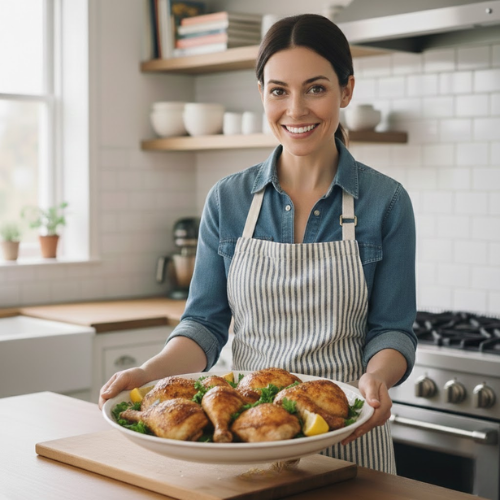
I’m Emily Richardson, the heart and soul behind Playing with Flavors. Cooking isn’t just a hobby for me – it’s a passion that I’ve cultivated for years, and it’s become the driving force of my life.
From the kitchen of my cozy café to the pages of this blog, every dish I create is a reflection of my love for food and the joy it brings to people.


