
This crockpot pork stew is more than just dinner; it’s a portal to Sunday afternoons spent around the table, sharing stories over simmering meat and earthy vegetables. There’s a quiet magic in how the slow cooker transforms simple ingredients into something warmly familiar, almost nostalgic, that feels like a hug after a long day. I love how it brings everyone together without fuss, just good food and slow, steady heat.
In these busy weeks, I rely on this stew to anchor my evenings. It’s the kind of meal that lets me breathe, knowing that with minimal prep, dinner will be rich, tender, and bubbling with comforting flavors. It’s not fancy, but it’s honest and deeply satisfying—an unpolished reminder that home cooking doesn’t have to be complicated to be meaningful.
Focusing on how this slow-cooked pork stew becomes a cozy, nostalgic meal that brings family together after hectic weeks, emphasizing the comfort of simple, unpolished home cooking.
The story behind this recipe
- This recipe was born out of a chilly weekend when I needed something hearty but effortless. I remember tossing pork shoulder, root vegetables, and a splash of wine into the slow cooker before curling up with a book. Waking up to that rich, fragrant aroma felt like a warm hug, quiet and unassuming but deeply comforting. It’s become my go-to for busy nights, a reminder that good, simple food can be a cozy anchor in the chaos.
- I love how this stew isn’t just about the ingredients—it’s about the ritual of slow cooking, the way flavors deepen and mingle, filling the house with smells that evoke childhood Sundays and laid-back afternoons. It’s a dish I return to when I want something familiar but still special, made with hands and patience, not fuss.
- story_type
Ingredient breakdown: key components
- Pork shoulder: I love how it becomes meltingly tender after hours of slow cooking, releasing rich, meaty aroma. Swap for pork loin if you prefer leaner, but expect less juiciness.
- Carrots: They add a subtle sweetness and vibrant color. If you’re out, parsnips work well—just a bit earthier and softer when cooked.
- Onions: Their savory depth thickens the stew beautifully. Red onions can add a touch of sharpness, so stick with yellow or sweet for mellow sweetness.
- Garlic: It’s the backbone of the flavor—pungent and warm when cooked. Skip if you’re sensitive; a pinch of garlic powder can work in a pinch.
- Broth: I prefer chicken or beef broth for a savory base—look for low-sodium to control salt. Water plus bouillon cubes is an easy, less intense alternative.
- Tomato paste: Adds a hint of brightness and umami. If you don’t have it, a splash of Worcestershire sauce can deepen the flavor instead.
- Herbs & spices: Bay leaves and thyme are classics—smell the freshness as they simmer. Fresh herbs are bright, but dried ones are more concentrated and shelf-stable.
Spotlight on key ingredients
Pork shoulder:
- I love how it becomes meltingly tender after hours of slow cooking, releasing rich, meaty aroma. Swap for pork loin if you prefer leaner, but expect less juiciness.
- Carrots: They add a subtle sweetness and vibrant color. If you’re out, parsnips work well—just a bit earthier and softer when cooked.
- Onions: Their savory depth thickens the stew beautifully. Red onions can add a touch of sharpness, so stick with yellow or sweet for mellow sweetness.
Garlic and herbs:
- Garlic: It’s the backbone of the flavor—pungent and warm when cooked. Skip if you’re sensitive; a pinch of garlic powder can work in a pinch.
- Broth: I prefer chicken or beef broth for a savory base—look for low-sodium to control salt. Water plus bouillon cubes is an easy, less intense alternative.
- Herbs & spices: Bay leaves and thyme are classics—smell the freshness as they simmer. Fresh herbs are bright, but dried ones are more concentrated and shelf-stable.
Notes for ingredient swaps
- Pork: Use chicken thighs for a leaner, equally tender alternative, but expect less richness in flavor.
- Broth: Swap beef broth for a deeper, more robust taste or use vegetable broth for a lighter, plant-based version.
- Vegetables: Turn to parsnips or turnips if carrots aren’t available; they add earthy sweetness and soften well.
- Tomato paste: Replace with a splash of Worcestershire sauce for umami without the acidity, if you’re out.
- Herbs: Fresh rosemary can substitute thyme for a piney aroma, but use sparingly to avoid overpowering.
- Wine: Omit or replace with a splash of apple cider vinegar for acidity and brightness, especially if cooking for kids.
- Onions: Shallots can add a milder, sweeter note, or skip altogether if you’re sensitive to onion flavor.
Equipment & Tools
- Large slow cooker: Cook everything slowly and evenly without supervision.
- Sharp knife: Cut ingredients precisely and safely.
- Cutting board: Provide a stable surface for chopping.
- Wooden spoon: Stir ingredients gently during cooking.
Step-by-step guide to crockpot pork stew
- Gather your equipment: a large slow cooker, a sharp knife, a cutting board, and a wooden spoon for stirring.
- Prep the pork: cut into 2-inch chunks, removing excess fat if desired. This helps it cook evenly and soak up flavors.
- Chop vegetables: slice carrots and onions into bite-sized pieces. Mince garlic finely to release full aroma.
- Layer ingredients: place pork chunks at the bottom of the slow cooker, then scatter vegetables on top.
- Add liquids: pour in 2 cups of broth, a tablespoon of tomato paste, and a splash of wine or water for depth.
- Season generously: add salt, pepper, bay leaves, and a sprinkle of thyme. Remember, you can adjust later.
- Set the cooker: cover and cook on low for 8 hours. The smell should deepen, and the pork will start to fall apart.
- Midway check: after 4 hours, stir gently to distribute flavors and ensure nothing sticks. If it’s too thick, add a splash more broth.
- Finish cooking: at 8 hours, the pork should be tender and the vegetables soft. The stew should be fragrant and slightly thickened.
- Final touches: remove bay leaves, taste and adjust seasoning. If needed, stir in fresh herbs or a squeeze of lemon for brightness.
- Rest and serve: let the stew sit for 10 minutes off heat to settle, then ladle into bowls and enjoy the comforting aroma.
Let the stew sit off heat for 10 minutes. Remove bay leaves, taste for seasoning, then serve with crusty bread or over rice.
How to Know It’s Done
- Pork should easily shred with a fork, indicating proper tenderness.
- Vegetables should be soft but not mushy, with a rich, melded aroma.
- Stew should have a slightly thickened consistency, not watery or overly dry.
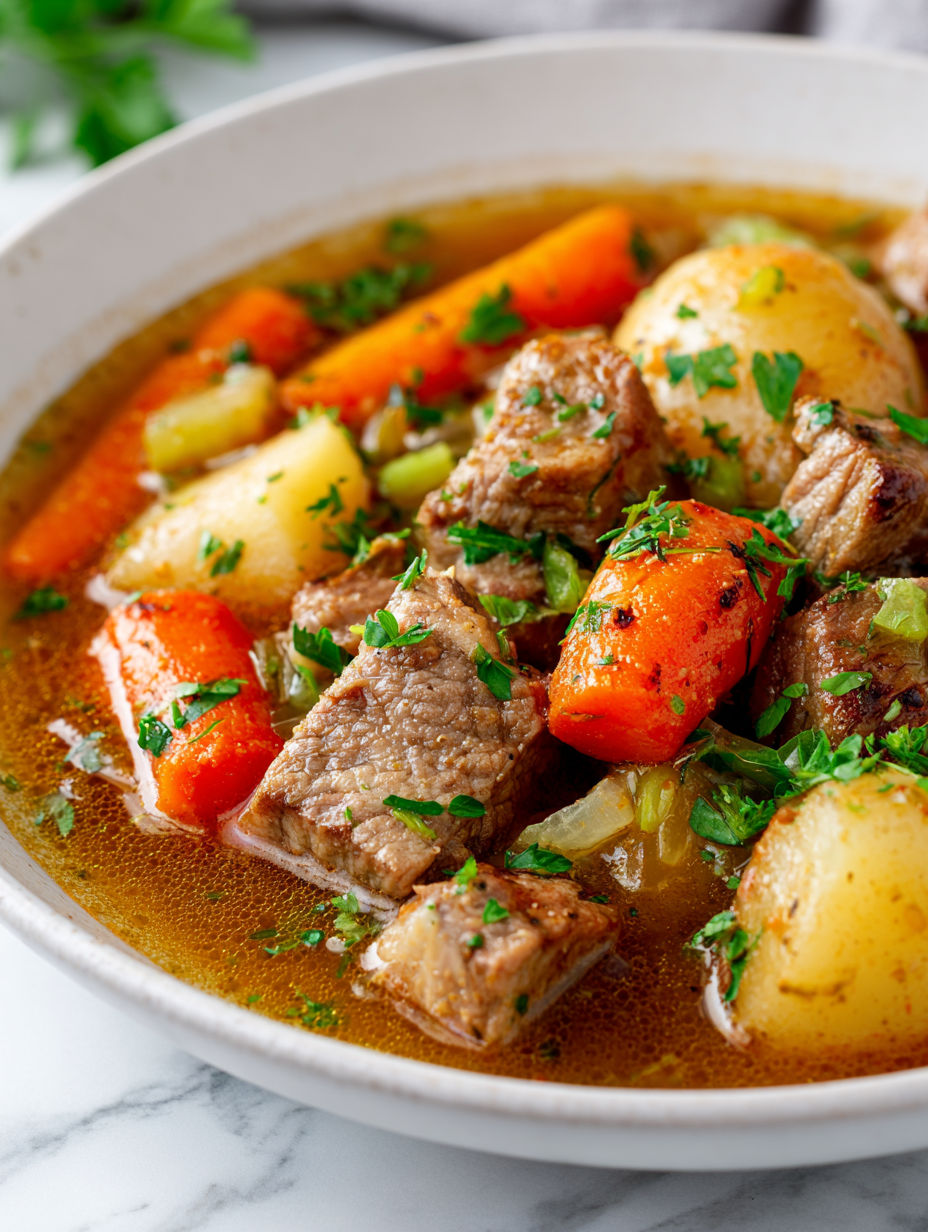
Crockpot Pork Stew
Ingredients
Equipment
Method
- Start by gathering your equipment: a large slow cooker, a sharp knife, a cutting board, and a wooden spoon for stirring.
- Cut the pork shoulder into 2-inch chunks, trimming off excess fat if you like. This helps the meat cook evenly and absorb the flavors beautifully.
- Slice the carrots into bite-sized pieces and thinly slice the onion. Mince the garlic cloves finely to release their aromatic oils.
- Layer the pork chunks in the bottom of the slow cooker, then scatter the sliced carrots and onions on top.
- Pour in the broth, add the tablespoon of tomato paste, and sprinkle in the minced garlic. Toss in the bay leaves and dried thyme for flavor.
- Season generously with salt and pepper, then cover the slow cooker with its lid.
- Set the slow cooker to low and cook for about 8 hours. Your house will fill with a warm, savory aroma as the pork becomes tender and starts to fall apart.
- Halfway through, check the stew and give it a gentle stir to distribute the flavors. If it’s too thick, add a splash more broth to loosen it up.
- Once the cooking time is up, carefully remove the bay leaves and give the stew a taste. Adjust seasoning if needed, perhaps a pinch more salt or a squeeze of lemon for brightness.
- Let the stew sit for a few minutes to settle, then ladle it into bowls. The pork should be meltingly tender, and the vegetables soft and flavorful, with a slightly thickened, hearty sauce.
Notes
Pro tips for perfect crockpot pork stew
- BOLD BROWNING: Sear pork chunks in batches until golden to deepen flavor before slow cooking.
- LAYER FLAVORS: Place ingredients in layers—pork at the bottom, vegetables on top—for even cooking.
- SMELL CHECK: The stew should emit a rich, meaty aroma and subtle sweetness from the vegetables when done.
- SAUCY TEST: If the stew is too thick near the end, stir in a splash of broth to loosen and meld flavors.
- AVOID OVERCOOKING: Keep the slow cooker on low for 8 hours; longer can break down pork too much and alter texture.
- FINAL TASTE: Remove bay leaves and tweak seasoning once cooked—sometimes a pinch of salt or a squeeze of lemon brightens everything.
Common mistakes and how to fix them
- FORGOT to brown pork first → Sear pork in batches for better flavor development.
- DUMPED all ingredients at once → Layer ingredients for even cooking and flavor blending.
- OVER-TORCHED stew → Keep on low, stir occasionally, and check for bubbling without boiling.
- UNDERESTIMATED cooking time → Allow at least 8 hours on low for tender, fall-apart pork.
Quick fixes and pantry swaps
- When stew is too thick, splash with hot broth and stir until smooth.
- If pork isn’t tender, extend cooking time on low for another 30 minutes.
- Splash a dash of vinegar or lemon juice to brighten dull flavors.
- Patch a burnt bottom by transferring stew to a new pot, leaving charred bits behind.
- Shield steam escape with a towel if the lid causes excess condensation dripping back.
Prep, store, and reheat tips
- Chop vegetables and prepare pork cuts the night before to save time and deepen flavors overnight in the fridge.
- Store the prepped ingredients in airtight containers for up to 24 hours; the aroma of herbs and meat will intensify.
- Cooked stew keeps well in the fridge for 3-4 days; the flavors meld even more after a day or two, becoming richer and more cohesive.
- Reheat gently on the stovetop over low heat, stirring frequently until steaming hot and the aroma is inviting again. Test for proper warmth and consistency.
Top questions about crockpot pork stew
1. How do I know when the pork is tender enough?
The pork should be tender enough to shred easily with a fork, usually after about 8 hours on low. If it’s still tough, give it more time or turn the cooker to high for a shorter burst.
2. Is it necessary to brown the pork beforehand?
Yes, browning the pork first adds depth and richness to the flavor. Just sear the chunks in a hot skillet until golden before adding to the slow cooker.
3. Can I swap the pork for another meat?
You can substitute chicken thighs or even beef stew meat if pork isn’t available. Keep in mind, the flavor and texture will shift slightly but still turn out comforting.
4. My stew is too thick—how do I fix it?
If the stew gets too thick, stir in some hot broth or water until it reaches your preferred consistency. For a thicker stew, just cook it uncovered for a bit longer to reduce.
5. Can I make this stew ahead?
You can prepare the ingredients the night before and keep them in the fridge. The flavors will meld overnight, making the stew even more flavorful the next day.
6. How should I reheat leftovers?
Stir the stew well before reheating, then warm it gently on the stove or in the microwave until steaming hot. Check for seasoning and adjust if needed.
7. Can I add fresh herbs after cooking?
Use fresh herbs like thyme or parsley for a bright finish, especially if you’re adding them after cooking. Dried herbs are best added during the cooking process.
8. I forgot to season the stew—what now?
If you forgot to add seasoning, stir in a pinch of salt or a splash of lemon juice to brighten the flavors just before serving.
9. How long should I cook it?
The slow cooker should be set to low for about 8 hours. If you’re short on time, you can cook it on high for 4-5 hours, but check the tenderness.
10. How do I tell when it’s done?
Ensure the pork is falling apart and the vegetables are soft but not mushy. The aroma should be rich and savory, with a slightly thickened sauce.
This crockpot pork stew is more than just a meal; it’s a slow-simmered hug that turns simple ingredients into something truly comforting. It’s the kind of dish that reminds me to slow down and savor the quiet, hearty flavors of home cooking.
In busy weeks, this stew becomes my anchor—warm, tender, and filled with familiar aromas that make the house feel like a haven. It’s imperfect, unpolished, and deeply satisfying—proof that good food doesn’t need fuss to feel like a small celebration.