
This crockpot tomato soup idea came from long mornings when I just can’t face the stove. The night before, I toss everything into the slow cooker, set it to low, and wake up to a kitchen filled with rich, simmered aroma. It’s like a secret weapon for busy days, where flavor and ease collide without sacrificing comfort.
There’s something satisfying about knowing that by the time you stumble out of bed, a warm bowl of soup is already waiting. It’s a simple ritual — chopping, tossing, then forgetting. The slow cooker turns a handful of pantry staples into something velvety, tangy, and deeply satisfying, no fuss required.
This recipe is inspired by the idea of slow-cooking tomato soup overnight, so waking up to a warm, richly flavored bowl that’s ready to serve, saving time and effort on busy mornings.
The story behind this recipe
- This recipe came about on a chilly autumn evening when I realized I’d forgotten to plan dinner. I opened my pantry and threw together what I had—canned tomatoes, garlic, a splash of broth, and some herbs. The crockpot did the rest, and the smell of roasting tomatoes filled the house by morning.
- It reminded me of my grandma’s kitchen, where she’d toss ingredients into her old slow cooker after a long day, and we’d wake up to the comforting aroma of soup bubbling away. That simple act of slow-cooking overnight turned a random combination into something cozy and familiar, a little piece of home I could count on.
- heading: The story behind this recipe
Ingredient breakdown: key components
- Canned crushed tomatoes: I love the bright, slightly tangy flavor they bring. If you want a richer taste, try fire-roasted versions—they add a smoky depth.
- Vegetable broth: I prefer homemade or low-sodium store-bought, because it’s more nuanced. Feel free to swap in chicken broth for a richer, meaty undertone if you’re not vegetarian.
- Onion: Sautéed onions give the soup a sweet, caramelized base. For a milder sweetness, caramelize a little longer until golden—trust me, it makes all the difference.
- Garlic: I toss in extra garlic for that punch of warmth. Smell it as it cooks—if it’s burning, reduce heat immediately, burnt garlic ruins everything.
- Cream or milk: Adding a splash at the end brings a velvety richness. For dairy-free, coconut milk is a good stand-in—just watch for that coconut aroma.
- Olive oil: I drizzle a good-quality extra virgin before serving—adds a fresh, fruity note. Skip if you’re watching your oil intake, but it makes the flavor pop.
- Fresh basil or herbs: I like to stir in chopped basil right before serving for a burst of aromatic freshness. If unavailable, a sprinkle of thyme works well and still feels cozy.
Spotlight on key ingredients
Canned crushed tomatoes:
- I love the bright, slightly tangy flavor they bring. If you want a richer taste, try fire-roasted versions—they add a smoky depth.
- Vegetable broth: I prefer homemade or low-sodium store-bought, because it’s more nuanced. Feel free to swap in chicken broth for a richer, meaty undertone if you’re not vegetarian.
Onion and garlic:
- Onion: Sautéed onions give the soup a sweet, caramelized base. For a milder sweetness, caramelize a little longer until golden—trust me, it makes all the difference.
- Garlic: I toss in extra garlic for that punch of warmth. Smell it as it cooks—if it’s burning, reduce heat immediately, burnt garlic ruins everything.
Notes for ingredient swaps
- Canned crushed tomatoes: I love the bright, slightly tangy flavor they bring. If you want a richer taste, try fire-roasted versions—they add a smoky depth.
- Vegetable broth: I prefer homemade or low-sodium store-bought, because it’s more nuanced. Feel free to swap in chicken broth for a richer, meaty undertone if you’re not vegetarian.
- Onion: Sautéed onions give the soup a sweet, caramelized base. For a milder sweetness, caramelize a little longer until golden—trust me, it makes all the difference.
- Garlic: I toss in extra garlic for that punch of warmth. Smell it as it cooks—if it’s burning, reduce heat immediately, burnt garlic ruins everything.
- Cream or milk: Adding a splash at the end brings a velvety richness. For dairy-free, coconut milk is a good stand-in—just watch for that coconut aroma.
- Olive oil: I drizzle a good-quality extra virgin before serving—adds a fresh, fruity note. Skip if you’re watching your oil intake, but it makes the flavor pop.
- Fresh herbs: I like to stir in chopped basil right before serving for a burst of aromatic freshness. If unavailable, a sprinkle of thyme works well and still feels cozy.
Equipment & Tools
- Large slow cooker: To cook the soup slowly and evenly over several hours.
- Immersion blender or regular blender: To blend the soup to a smooth, velvety consistency.
- Ladle: For serving and portioning the soup without spills.
- Sharp knife and cutting board: To chop the onions and garlic precisely.
Guide to Crockpot Tomato Soup
- Gather your equipment: a large slow cooker (about 5-6 quart), a blender or immersion blender, a ladle, and a cutting board with a sharp knife.
- Chop the onion and garlic finely. You want small pieces to meld into the soup smoothly.
- Add the chopped onion and garlic to the slow cooker. Pour in the canned tomatoes, vegetable broth, and a tablespoon of olive oil.
- Stir everything together well. Set the slow cooker to low, and let it cook for 6-8 hours. During the first few hours, the house will fill with a warm, roasted tomato aroma.
- Check the soup after about 6 hours. The onions should be soft, and the tomatoes broken down. If the smell is too smoky or burnt, turn the heat down or open the lid slightly.
- Use an immersion blender directly in the slow cooker to blend the soup until smooth. Alternatively, transfer in batches to a blender, then return to the slow cooker. Be cautious of hot splashes.
- Taste the soup. If it’s too tangy, stir in a teaspoon of sugar. Adjust salt and pepper as needed.
- Finish by stirring in a splash of cream or coconut milk if desired, for velvety richness. Warm through for a few more minutes.
- Ladle the soup into bowls. Garnish with fresh basil or a drizzle of good olive oil. Serve hot, with crusty bread if you like.
- Let the soup rest for 5 minutes before serving. This allows flavors to settle and improves the texture.
Let the soup sit for 5 minutes after blending. Serve hot, garnished with fresh herbs or a drizzle of olive oil for extra flavor.
How to Know It’s Done
- Soup is smooth and velvety, with a rich, roasted tomato aroma.
- Onions are translucent and soft, no raw smell remains.
- Soup reaches an internal temperature of 75°C (165°F) for safety and flavor enhancement.
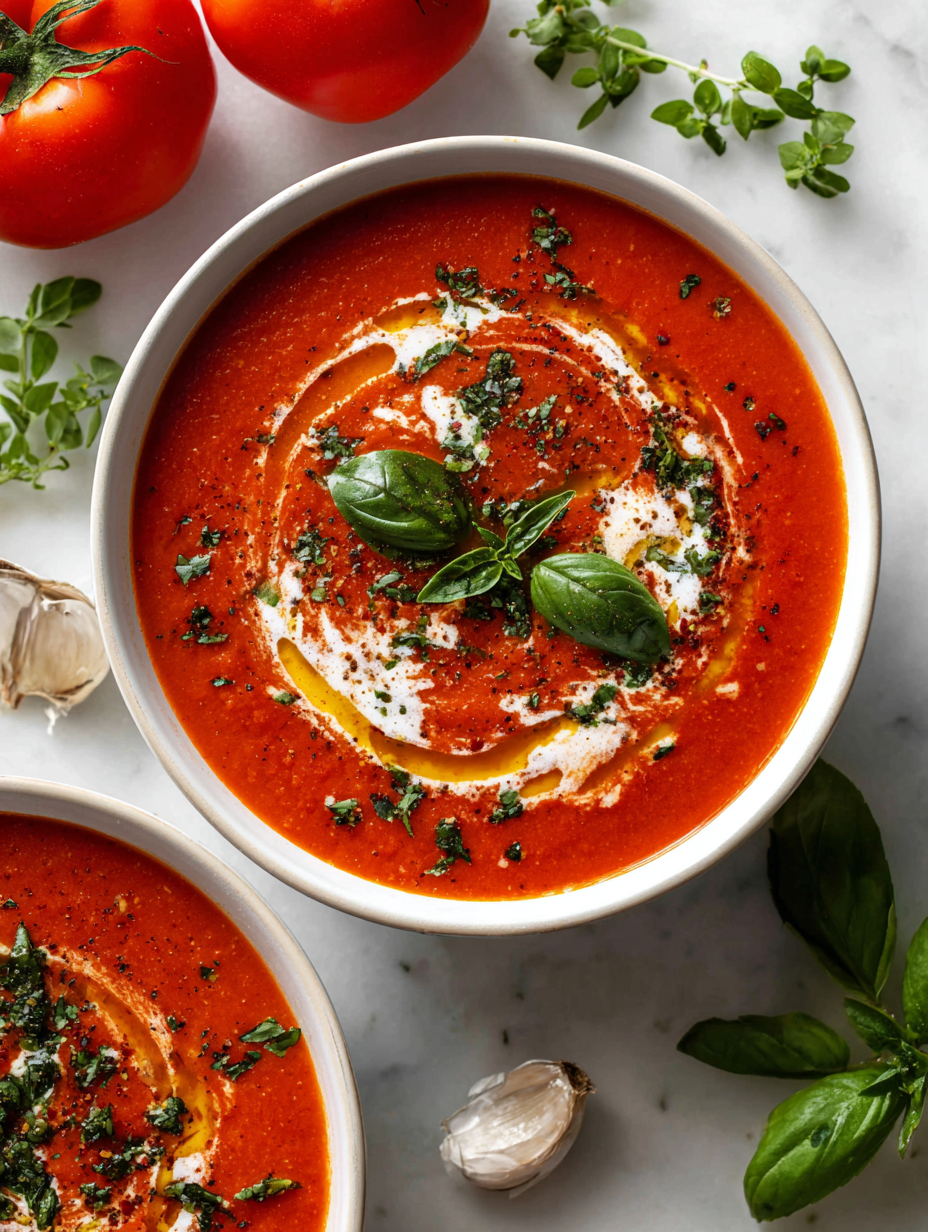
Crockpot Tomato Soup
Ingredients
Equipment
Method
- Chop the onion finely and mince the garlic cloves. Set aside.
- Add the olive oil to the slow cooker, then stir in the chopped onion and minced garlic. Turn the cooker to high for 10 minutes until the onions become fragrant and slightly translucent.
- Pour in the crushed tomatoes and vegetable broth, then stir to combine all the ingredients evenly. Cover and set the slow cooker to low, cooking for 6 to 8 hours, allowing the flavors to meld and the aroma to fill your kitchen.
- Once the cooking time is up, use an immersion blender directly in the slow cooker to blend the soup until it’s silky smooth. If you don’t have an immersion blender, carefully transfer the soup in batches to a regular blender, blending until smooth and returning it to the slow cooker.
- Stir in the cream or milk for a velvety finish, then season with salt and pepper to taste. Let it warm through for another 5 minutes.
- Ladle the hot soup into bowls, then garnish with chopped fresh basil and a drizzle of olive oil if desired. Serve immediately with crusty bread for a cozy, comforting meal.
Notes
Tips & Tricks for Perfect Soup
- Bolded mini-head: Use fresh herbs towards the end to preserve their bright aroma and flavor.
- Bolded mini-head: Sauté onions slowly until golden to deepen their sweetness and add richness to the soup.
- Bolded mini-head: When blending, do it in batches if the soup is hot to prevent splatters and burns.
- Bolded mini-head: Adjust the seasoning at the end—taste for acidity and add a pinch of sugar if needed.
- Bolded mini-head: For a smoky flavor, add a dash of smoked paprika or a splash of roasted tomato paste.
- Bolded mini-head: If the soup is too tangy, stir in a small teaspoon of honey or sugar to round out the acidity.
- Bolded mini-head: Use an immersion blender directly in the slow cooker for easy, mess-free blending.
Common mistakes and how to fix them
- FORGOT to adjust heat → Turn down immediately if garlic burns.
- DUMPED all ingredients at once → Sauté onions first for depth.
- OVER-TORCHED soup → Cover partially and lower heat for even cooking.
- MISSED blending step → Use immersion blender for smooth texture.
Quick fixes and pantry swaps
- When soup is too thick, splash in hot water and blend again for a smoother texture.
- If soup lacks depth, add a pinch of smoked paprika or a splash of balsamic vinegar.
- Splash a little lemon juice at the end to brighten flavors and cut through richness.
- Patch burnt garlic by removing the burnt bits and adding fresh garlic—quick flavor fix.
- Shield delicate herbs by stirring in at the very end to preserve their aroma and color.
Prep, store, and reheat tips
- Chop onions and garlic the night before; store in an airtight container in the fridge for up to 24 hours, which helps reduce prep time and enhances flavor melding.
- The soup can be made entirely ahead of time; refrigerate in a sealed container for up to 3 days. Reheat gently on the stove, stirring occasionally, until steaming and fragrant.
- For longer storage, freeze the cooled soup in portions for up to 3 months. Thaw in the fridge overnight, then reheat on the stove, watching for bubbling and smooth texture.
- Reheating releases a rich aroma of roasted tomatoes and herbs. When warmed through, the soup should be velvety, with a balanced, tangy-sweet flavor. Add a splash of water or broth if it thickens too much during storage.
Frequently Asked Questions
1. Can I substitute fresh tomatoes for canned?
Yes, you can use fresh tomatoes, but they need to be roasted first to intensify their flavor before adding to the slow cooker.
2. Can I use fresh tomatoes instead of canned?
Absolutely. Just chop and add them raw, but expect a slightly fresher, less concentrated flavor, and possibly a thinner soup.
3. How do I prevent the soup from burning?
To prevent burning, avoid opening the lid during cooking and stir the soup if you notice sticking or burning at the bottom.
4. How should I reheat the soup?
Reheat the soup gently on the stove over low heat, stirring occasionally, until steaming hot with a rich aroma—about 10 minutes.
5. Can I adjust the acidity of the soup?
Yes, adding a splash of balsamic vinegar or a pinch of sugar can balance the acidity and deepen the flavor.
6. What if my soup is too tangy?
If the soup is too tangy, stir in a small teaspoon of honey or sugar to mellow the sharpness without losing the brightness.
7. Can I blend the soup in a regular blender?
Using an immersion blender makes blending easy and safe right in the slow cooker, but a standard blender works too—just be careful with hot liquids.
8. How long can I store the soup?
Yes, you can freeze leftovers in airtight containers for up to 3 months. Thaw overnight in the fridge before reheating.
9. How do I enhance reheated soup?
Adding a splash of olive oil or fresh herbs just before serving boosts brightness and freshness, especially if reheated.
10. My soup tastes dull—what can I do?
If the soup seems bland, add more salt, herbs, or a squeeze of lemon to brighten the overall flavor profile.
Waking up to the smell of simmered tomatoes and herbs is a small daily miracle. This soup feels like a warm hug that doesn’t demand much effort, just patience in the slow cooker.
It’s perfect for those busy days when comfort and flavor need to come together effortlessly. Plus, it’s a reminder that simple ingredients, treated well, can turn into something truly satisfying.