
Lemon Butter Lobster Tail is one of those dishes that feels fancy but is surprisingly straightforward if you know the trick—finishing in a bright, glossy lemon butter glaze. It’s that rare moment where technique meets flavor, creating a dish that’s both visually stunning and bursting with citrusy richness. I love how a simple lobster tail can become something special with just a few minutes of careful finishing.
What drew me into perfecting this recipe was the idea of capturing that bright, glossy finish that makes the lobster look almost too beautiful to eat. It’s all about that quick, almost caramelized glaze that coats every inch, giving it a citrusy sheen and a velvety butter richness. It’s not just dinner; it’s an experience—something I want to master and share, especially when I need a dish that feels indulgent but is still rooted in simple techniques.
Focusing on the rare technique of finishing lobster tails in a lemon butter glaze for an intensely bright, glossy finish that elevates the dish beyond simple seafood.
The story behind this recipe
- This recipe came about after a weekend of experimenting with quick, impactful finishes for seafood. I wanted something that could elevate a lobster tail with minimal fuss but maximum flavor brightness. The idea of a lemon butter glaze struck me as the perfect way to add both richness and a burst of citrus at the last moment, creating a glossy, fragrant coating that makes the lobster feel truly special.
- I remember the first time I tried finishing lobster in a butter and lemon combo—smelled like sunshine, bright and inviting, with a slightly smoky edge from the searing. It was one of those accidental discoveries that made me realize how a simple technique can turn a good dish into an unforgettable one. Now, I keep this trick in my back pocket for those nights I want to impress without spending hours in the kitchen.
- heading: ‘The story behind this recipe’
Ingredient breakdown: key components
- Lobster tail: I love the firm, sweet meat—make sure to pat it dry before cooking to avoid splattering when searing.
- Lemon: Bright, juicier than you think—use fresh for that zing; skip the zest if you want a milder citrus note.
- Butter: Rich and velvety—go for unsalted, and keep it at room temp for easy melting and even coating.
- Garlic: I prefer minced fresh; it adds a fragrant punch—don’t overcook it or it turns bitter and harsh.
- Fresh herbs: Parsley or tarragon brighten the dish—chop finely and sprinkle at the end for a fresh burst.
- Seasoning: Simple salt and pepper—trust me, don’t overdo it; the lobster’s natural sweetness needs space to shine.
- Optional: White wine or sherry—adds depth if you want a more complex glaze, but it’s totally fine without for pure brightness.
Spotlight on key ingredients
Lemon:
- I love the bright, zesty aroma—freshly squeezed lemon juice adds a sharp, citrus punch that wakes up the dish. Skip the zest if you want a subtler flavor.
- Butter: Rich, velvety, and essential—use unsalted for control, and keep it at room temp for easy melting and even coating. It’s the glossy sheen and luscious feel that makes the sauce special.
Herbs:
- Lobster tail: The firm, sweet meat is the star—make sure to pat it dry before searing so it browns beautifully without splattering. That slight jiggle when cooked means it’s just right, not overdone.
- Fresh parsley or tarragon add a fragrant, herbal brightness—chop finely and sprinkle at the end for a fresh, contrasting note that lifts the richness.
Notes for ingredient swaps
- Dairy-Free: Swap butter for coconut oil or a dairy-free butter alternative. Expect a slightly different richness and less velvety texture, but still deliciously fragrant.
- Lemon: Use bottled lemon juice in a pinch if fresh isn’t available. It’s less bright and zesty, so consider adding a little extra zest if you have it.
- Herbs: Dry herbs like parsley or tarragon can replace fresh—just use a smaller amount to avoid overpowering the dish’s brightness.
- Seafood: If lobster isn’t accessible, king crab or large shrimp can work. They won’t have the same sweetness but still soak up that lemon butter beautifully.
- Butter: For a richer, nutty flavor, browned butter can add depth. Just cook it until it’s golden and fragrant before adding the garlic and lemon.
- Garlic: Powdered garlic or garlic paste are quick substitutes. Use sparingly—these are more concentrated and can easily overpower.
- White wine: Replace with chicken broth or a splash of apple cider vinegar for acidity. Keep in mind, it might alter the depth of flavor slightly.
Equipment & Tools
- Large cast iron skillet: For even heat and good sear.
- Sharp scissors or knife: To cut the shell cleanly.
- Basting spoon: To spoon butter and juices over the lobster.
- Lemon squeezer: To extract fresh lemon juice.
Step-by-step guide to lemon butter lobster
- Equip a large, heavy skillet—preferably cast iron—for even heat distribution. Have a basting spoon, a sharp paring knife, and a squeeze bottle of lemon ready.
- Prep the lobster tail by cutting along the top shell with scissors or a sharp knife. Carefully lift the meat out, leaving it attached at the tail end, and set on a plate. Pat dry thoroughly.
- Heat the skillet over medium-high heat—about 200°C (390°F)—until just starting to shimmer. Add a tablespoon of butter and let it melt, bubbling gently.
- Place the lobster tail meat-side down in the pan. Sear for 2-3 minutes until the edges turn golden and the shell develops a slight crackle. Do not move it around—let it get a good sear.
- Flip the lobster carefully. Reduce heat to medium (around 160°C/320°F). Add 2 tablespoons butter, minced garlic, and a squeeze of lemon juice. Cook for another 2-3 minutes, spooning butter over the meat.
- Continue to cook until the lobster meat turns opaque and firm—test with a gentle jiggle; it should feel firm but still moist. If it’s overcooked, it becomes rubbery. If undercooked, it’s translucent and soft.
- In the last 30 seconds, tilt the pan and baste the lobster with the lemon butter mixture. Watch for a glossy, lemon-brushed finish coating the meat.
- Remove from heat. Rest the lobster for 1-2 minutes while drizzling with any remaining lemon butter. Plate and garnish with chopped herbs if desired.
Let the lobster rest for 1-2 minutes off heat. Drizzle with any remaining lemon butter. Serve immediately, garnished with herbs for color and freshness.
How to Know It’s Done
- Lobster meat is opaque and firm to the touch.
- Lemon butter is glossy and clings to the lobster without pooling.
- Shell shows a slight crackle, indicating good searing and caramelization.
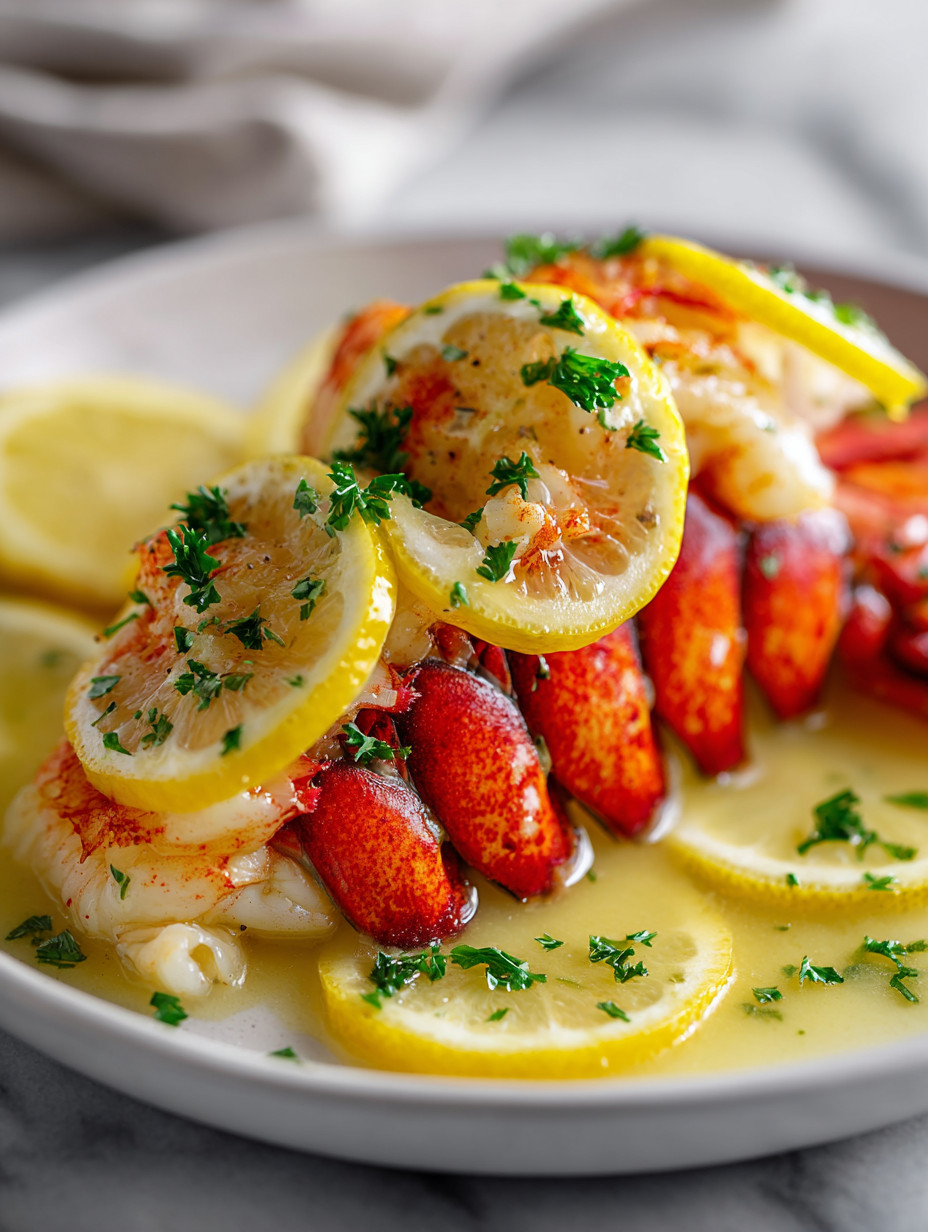
Lemon Butter Lobster Tail
Ingredients
Equipment
Method
- Use scissors or a sharp knife to cut along the top shell of each lobster tail, then gently lift the meat out, leaving it attached at the tail end. Pat the lobster meat dry with paper towels to remove excess moisture.
- Heat a large cast iron skillet over medium-high heat until shimmering and slightly hot to the touch. Add 1 tablespoon of butter and let it melt, bubbling gently, filling the air with a rich aroma.
- Place the lobster meat side down in the skillet and sear for about 2-3 minutes until the edges turn golden and the shell begins to crackle, indicating a good sear. Avoid moving the lobster during this time to develop a deep crust.
- Carefully flip the lobster and reduce the heat to medium. Add the remaining 2 tablespoons of butter to the pan along with the minced garlic. Squeeze in the lemon juice and stir gently as the butter melts into a fragrant, citrusy sauce.
- Cook the lobster for another 2-3 minutes, spooning the lemon butter mixture over the meat repeatedly. The lobster should turn opaque and firm, with a glossy, bright coating forming on the surface.
- In the final 30 seconds, tilt the pan slightly and continue to baste the lobster with the sauce until it’s beautifully glossy and brushed with a vibrant lemon sheen.
- Remove the skillet from heat and sprinkle the chopped herbs over the lobster for a fresh herbal burst. Let the lobster rest for a minute to allow juices to settle.
- Serve the lobster tails hot, drizzled with any remaining lemon butter and garnished with extra herbs if desired. Enjoy the bright, buttery richness with a crisp side or a fresh salad.
Pro tips for perfect lobster
- sear: Ensure the skillet is hot enough—look for shimmering butter and a slight crackle when placing the lobster.
- Bright glaze: Baste continuously during the last minute—watch for a glossy, lemon-brushed sheen that coats every surface.
- Gentle flip: Turn the lobster carefully—avoid tearing the shell or losing the meat, and look for a golden crust as a sign of good searing.
- Smell check: The garlic and butter should scent fragrant and slightly nutty—if it smells burnt, lower the heat immediately.
- Color cue: The lobster meat turns opaque and firm—test with a gentle jiggle to avoid rubbery overcooking.
- Lemon hit: Add lemon juice at the end—this keeps the bright, citrus flavor sharp and prevents it from cooking out.
- Rest briefly: Let the lobster sit for a minute after cooking—this helps juices redistribute, keeping the meat tender and moist.
Common mistakes and how to fix them
- FORGOT to pat lobster dry? Pat it thoroughly to prevent spattering during searing.
- DUMPED the lemon butter? Add a splash of water or broth to loosen and loosen the glaze.
- OVER-TORCHED the lobster? Lower heat immediately and add more butter to cool and recover.
- MISSED the resting step? Let the lobster sit briefly off heat to keep it juicy and prevent overcooking.
Quick fixes and pantry swaps
- When sauce is too thick, splash in hot water and stir until glossy.
- If lobster sticks to pan, splash with lemon juice to loosen and add flavor.
- DUMPED too much lemon? Add a touch of broth to balance acidity.
- Splash cold butter if sauce separates—stir vigorously to reincorporate.
- Patch over a smoky smell with fresh herbs and a squeeze of lemon to brighten.
Prep, store, and reheat tips
- Prep the lobster tail by cutting and patting dry—store in an airtight container for up to 2 hours in the fridge to maintain freshness and prevent sliminess.
- The lemon butter sauce can be made ahead and refrigerated for up to 24 hours; reheat gently over low heat, watching for bubbling and bright, citrus aroma.
- Lobster can be cooked and kept in the fridge for up to 24 hours; reheat in a warm skillet with a little butter, aiming for that glossy, fragrant finish.
- For best flavor, reheat lobster and sauce separately, then combine to preserve the bright, citrusy notes and velvety texture—avoid overheating to prevent rubberiness.
- The sauce may thicken when chilled; stir in a splash of warm water or lemon juice during reheating to restore its silky consistency and fresh aroma.
Top questions about Lemon Butter Lobster Tail
1. Can I use frozen lobster tail?
Use fresh lobster for the best sweetness and firm texture. Frozen can work but might be slightly softer.
2. Should I thaw the lobster before cooking?
Yes, but thaw it slowly in the fridge overnight for even cooking and less water release.
3. Can I replace fresh lemon with bottled juice?
Yes, fresh lemon juice brightens the dish more than bottled. Use a good-quality lemon for that zing.
4. Can I use lime or vinegar instead of lemon?
Definitely. You can substitute with lime for a different citrus note, or use a vinegar splash for acidity.
5. How hot should the skillet be?
Keep the heat high enough to sear the lobster quickly—about 200°C (390°F)—for a caramelized crust.
6. How do I know when the lobster is done?
Cook until the lobster is opaque and firm, usually 4-6 minutes depending on size. Test with gentle jiggle.
7. Can I make this dish ahead?
Yes, you can prep the lobster shell and sauce in advance. Reheat gently to preserve flavor and texture.
8. What happens if I overcook the lobster?
Overcooking makes lobster rubbery; undercooking leaves it translucent and soft. Watch for a firm, opaque meat.
9. Why does my sauce look greasy or dull?
Use room temperature butter for a smooth, glossy sauce. Adding lemon at the end keeps it bright and fresh.
10. My sauce is separating, what do I do?
If the sauce separates, stir in a splash of warm water or cold butter to reincorporate it smoothly.
This dish is a reminder that simple ingredients, when treated with care, can create something truly memorable. The bright lemon butter glaze brings out the lobster’s natural sweetness, making every bite feel special. It’s a technique I keep coming back to, especially when I want a dinner that feels both indulgent and straightforward.
Sharing this recipe feels like passing along a small secret—one that turns an everyday lobster tail into a moment of celebration. It’s about those little touches, like that glossy sheen and zesty aroma, that keep me hooked. Sometimes, it’s the simplest recipes that leave the biggest impression.

I’m Emily Richardson, the heart and soul behind Playing with Flavors. Cooking isn’t just a hobby for me – it’s a passion that I’ve cultivated for years, and it’s become the driving force of my life.
From the kitchen of my cozy café to the pages of this blog, every dish I create is a reflection of my love for food and the joy it brings to people.


