
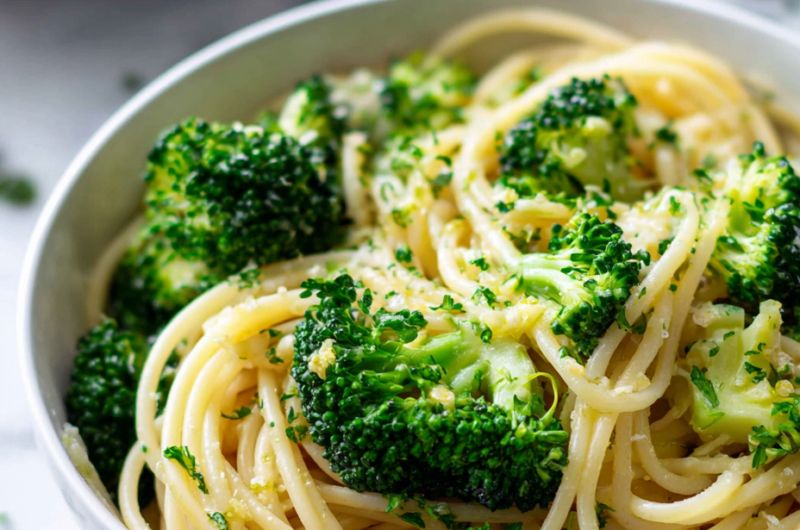
Sometimes, I find myself reaching for the simplest ingredients after a long day—nothing fancy, just broccoli, garlic, and good olive oil. There’s a quiet satisfaction in turning these humble staples into something flavorful and comforting without fuss.
This dish isn’t about complex techniques or rare ingredients. It’s about appreciating how a few good-quality items can come together to create a meal that’s both nourishing and honest. It’s a reminder that beauty can be found in the everyday, especially when you take a moment to slow down and cook with intention.
Focusing on the overlooked beauty of simple ingredients—how a humble broccoli and garlic pasta can turn a busy weeknight into a moment of mindful cooking, where each flavor sings in harmony.
The story behind this recipe
One evening, I was rushing through a hectic day when I remembered a quiet moment from my grandmother’s kitchen. She’d toss garlic and broccoli into boiling water, then drizzle olive oil over everything, letting the simple flavors do their magic. That memory stuck with me—how humble ingredients can speak volumes. It’s about honoring those small, honest flavors that remind me why I fell in love with cooking in the first place.
Ingredient breakdown: key components
- Broccoli: I love how the florets turn tender yet retain a slight crunch, adding a fresh, vegetal burst. You might prefer to steam it longer for softer bites, but I find a quick blanch keeps the color vibrant.
- Garlic: When minced and tossed in hot oil, garlic releases a warm, nutty aroma that fills the kitchen. If you want a milder flavor, add it later to avoid burning, which can turn bitterness into your dish.
- Olive Oil: The key to that rich, fruity aroma—use good-quality extra virgin. I sometimes drizzle a bit more at the end for a glossy finish and that extra punch of flavor.
- Pasta: I opt for spaghetti or linguine, depending on what I have. Cook until just al dente—test a strand around 8 minutes in boiling salted water. It’s about that slight bite, not mush.
- Lemon (optional): A squeeze brightens everything up. I like to zest a bit for an extra citrusy aroma—adds a fresh, zingy layer that cuts through the richness of the oil.
- Salt & Pepper: Don’t be shy—season generously, especially the pasta water. Freshly cracked pepper adds a subtle heat that complements the garlic and broccoli.
- Red Pepper Flakes (optional): A pinch for a gentle heat. I sometimes sprinkle a little in the oil right after garlic, for that smoky, spicy undertone.
Spotlight on key ingredients
Broccoli:
- I love how the florets turn tender yet retain a slight crunch, adding a fresh, vegetal burst. You might prefer to steam it longer for softer bites, but I find a quick blanch keeps the color vibrant.
- Garlic: When minced and tossed in hot oil, garlic releases a warm, nutty aroma that fills the kitchen. If you want a milder flavor, add it later to avoid burning, which can turn bitterness into your dish.
Olive Oil:
- The key to that rich, fruity aroma—use good-quality extra virgin. I sometimes drizzle a bit more at the end for a glossy finish and that extra punch of flavor.
- It’s the backbone of this dish, carrying every flavor. A good splash makes all the difference—look for a bright, peppery note when tasting a drop.
Notes for ingredient swaps
- Dairy-Free: Skip cheese or butter—letting the garlic and olive oil shine keeps the dish flavorful and light.
- Gluten-Free: Use rice or corn pasta—these cook similarly, but keep an eye on texture; they can get sticky if overcooked.
- Vegetable Variations: Swap broccoli for zucchini or green beans—aim for similar bite and freshness, adjusting cooking time accordingly.
- Oil Choices: Avocado or sesame oil can replace olive oil—each adds a distinct aroma and richness, so use sparingly.
- Garlic Alternatives: Shallots or leeks—softer, sweeter flavors, but use less and cook longer to develop their sweetness.
- Add-Ins: Anchovies or capers—bring a salty, umami punch that pairs beautifully with the garlic and olive oil base.
- Lemon Zest: Lime or orange zest—offer a different citrus brightness, brightening the dish with a fresh twist.
Equipment & Tools
- Large pot: Boils pasta efficiently.
- Skillet: Sautés garlic and broccoli.
- Tongs: Tosses pasta and vegetables.
- Slotted spoon: Transfers broccoli from water to skillet.
Step-by-step guide to broccoli pasta
- Equipment & Tools: Gather a large pot for pasta, a skillet (preferably non-stick) for garlic and broccoli, tongs, and a slotted spoon. The pot is for boiling, the skillet for sautéing, tongs for tossing, and the spoon for transferring broccoli.
- Bring a large pot of salted water to a rolling boil—about 4 liters (just over a gallon), salt generously so it tastes like the sea. Add pasta and cook for 8 minutes, stirring occasionally. Test a strand—firm bite, not mush.
- While pasta cooks, prep broccoli: chop into small florets—aim for uniform size so they cook evenly. Mince 3-4 cloves of garlic finely. Have your olive oil ready—about 1/4 cup for the oil, plus extra for finishing.
- Drain pasta, reserving 1 cup of starchy water. Set aside. In the skillet, heat 2 tablespoons of olive oil over medium heat (~160°C/320°F). When shimmering, add garlic—sizzle until fragrant and just starting to turn golden, about 30 seconds. Don’t burn it; reduce heat if needed.
- Add broccoli to skillet, toss to coat with garlic oil. Cook for 3-4 minutes, until vibrant green and just tender but still slightly crisp. If it starts to brown or smell burnt, turn down the heat or add a splash of water to steam slightly.
- Combine pasta and broccoli in the skillet. Add a splash of reserved pasta water—about 1/4 cup. Toss everything together over low heat for 1 minute. Check for flavor—add salt, pepper, red pepper flakes if you like a gentle heat.
- Finish with a drizzle of good olive oil, a squeeze of lemon if desired, and perhaps a bit of lemon zest. Toss well to coat. Serve immediately, garnished with a little more olive oil or grated cheese if you like.
- Rest & Plate: Let it sit for a minute to meld flavors. Plate in warm bowls, drizzle with extra oil, and enjoy the aroma of garlic and olive oil marrying with bright broccoli.
Serve immediately while hot. Drizzle with extra virgin olive oil, add lemon zest or cheese if desired. Let it rest for a minute; this helps flavors settle before digging in.
How to Know It’s Done
- Pasta is al dente—bite with slight resistance.
- Broccoli is vibrant green with a slight crunch.
- Garlic is fragrant, golden, not burnt.
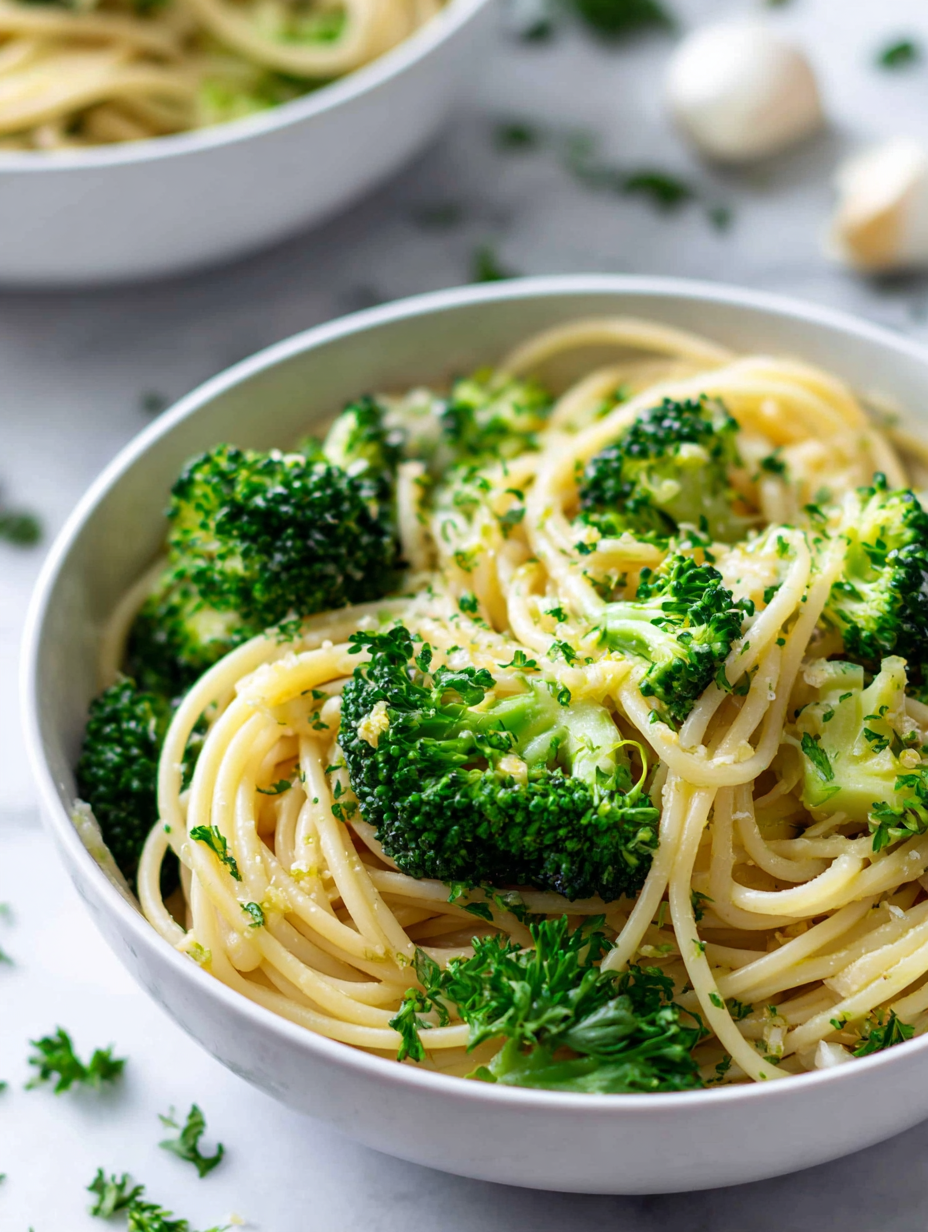
Simple Broccoli and Garlic Pasta
Ingredients
Equipment
Method
- Bring a large pot of salted water to a rolling boil. Once bubbling vigorously, add the pasta and cook for about 8 minutes, stirring occasionally. Test a strand—it's ready when it’s just al dente, with a slight bite.
- While the pasta cooks, prepare the broccoli by chopping it into small, uniform florets. Mince the garlic cloves finely, ensuring they’re ready to sauté.
- Drain the pasta, reserving about 1/4 cup of the starchy cooking water. Set aside. In a large skillet, heat the olive oil over medium heat until it shimmers and begins to gently bubble.
- Add the minced garlic to the skillet. Sizzle for about 30 seconds until fragrant and just starting to turn golden—be careful not to burn it, as burnt garlic turns bitter.
- Add the broccoli florets to the skillet. Toss to coat them evenly with the garlic oil and cook for 3-4 minutes, stirring occasionally, until the broccoli turns bright green and is just tender with a slight crunch.
- Transfer the drained pasta into the skillet with broccoli. Pour in a splash of the reserved pasta water and toss everything together over low heat for about 1 minute. This helps the flavors meld and creates a silky sauce.
- Season with salt, freshly cracked black pepper, and red pepper flakes if using. Squeeze some lemon juice and zest the lemon over the pasta for brightness. Toss again to distribute evenly.
- Finish with a little extra olive oil drizzled over the top for shine and richness. Give everything a final toss to coat thoroughly.
- Serve the pasta immediately while hot, garnished with additional lemon zest or cheese if desired. Enjoy the simple harmony of garlic, broccoli, and olive oil in every bite.
Pro tips for broccoli pasta
- Bolded mini-head: Use high heat briefly → Sear garlic quickly to release aroma without burning.
- Bolded mini-head: Keep pasta water salty → It seasons the pasta from within, enhancing overall flavor.
- Bolded mini-head: Add broccoli in stages → Drop in after pasta has cooked for a few minutes to match doneness.
- Bolded mini-head: Watch garlic closely → It goes from fragrant to burnt in seconds, so stay attentive.
- Bolded mini-head: Reserve pasta water → Use it to loosen the sauce and help ingredients meld beautifully.
- Bolded mini-head: Finish with a splash of oil → Adds shine and a layer of flavor right before serving.
- Bolded mini-head: Don’t overcook broccoli → Keep a slight crunch for vibrant color and fresh texture.
Common mistakes and how to fix them
- FORGOT to read the recipe; overcooked broccoli or burnt garlic can happen. Keep an eye on timing.
- DUMPED all pasta water at once; reserve some to loosen or adjust sauce consistency.
- OVER-TORCHED garlic; turn down heat immediately and add a splash of water to stop burning.
- MISSED the salt; seasoning pasta water well is key for flavorful pasta and overall dish.
Quick fixes and pantry swaps
- When garlic burns quickly, splash a bit of water to stop the charring.
- If pasta clumps, toss with a drizzle of olive oil before storing.
- Splash cold water on overcooked broccoli to halt cooking and retain color.
- Patch a smoky garlic smell by simmering a lemon wedge in water for 5 minutes.
- Shield a sticky sauce by adding more reserved pasta water and stirring gently.
Prep, store, and reheat tips
- Prep the broccoli: chop into small florets and blanch in salted boiling water—vibrant green and crisp. Store in an airtight container for up to 2 days.
- Mince garlic ahead of time; keep refrigerated in a small jar. Its pungent aroma stays fresh for 1-2 days, ready to toss in hot oil.
- Cook the pasta until just al dente, drain, and toss with a little olive oil to prevent sticking. Keeps well in the fridge for up to a day.
- Reheat gently: warm in a skillet over low heat with a splash of reserved pasta water or olive oil. Look for steam and aroma of garlic and olive oil to gauge readiness.
- The flavors deepen slightly overnight, so expect a richer, more unified taste after storage—just reheat and serve.
Top questions about broccoli pasta
1. Can I use frozen broccoli?
Use fresh, firm broccoli with tight florets for the best flavor and texture. Frozen can work in a pinch, but may be softer.
2. How do I know when the pasta is done?
Cook pasta until just al dente, about 8 minutes. It should have a slight bite, not mushy.
3. Can I substitute the olive oil?
Yes, you can swap olive oil for avocado or sesame oil for a different aroma, but the flavor profile changes.
4. Should I add lemon juice or zest?
Add a squeeze of lemon just before serving for brightness, or lemon zest for a more intense citrus flavor.
5. How do I prevent garlic from burning?
Overcooked garlic turns bitter and loses aroma. Add it later in the cooking process if you’re worried.
6. How much salt should I add to the water?
Use a large enough pot and plenty of salted water—salty enough to taste like the sea—to season the pasta thoroughly.
7. What if my broccoli gets overcooked?
If broccoli turns dull or mushy, blanch for less time or shock in cold water to stop cooking immediately.
8. Why reserve pasta water?
Mix reserved pasta water into the sauce to loosen it and help ingredients meld smoothly.
9. How should I finish the dish?
For a richer flavor, finish with a drizzle of good olive oil and a sprinkle of flaky sea salt.
10. How do I reheat leftovers without losing flavor?
Reheat gently in a skillet with a splash of water or oil, just until warmed through and fragrant.
This simple pasta is a quiet reminder that good flavor doesn’t need to shout. It’s about honest ingredients coming together, especially in a season that celebrates fresh green and bright, zesty bites.
Whenever I make this, I think of those small, everyday victories in the kitchen—turning humble staples into something satisfying. It’s a dish that feels like a little act of care, no fuss needed, just good oil, garlic, and a bit of green.

I’m Emily Richardson, the heart and soul behind Playing with Flavors. Cooking isn’t just a hobby for me – it’s a passion that I’ve cultivated for years, and it’s become the driving force of my life.
From the kitchen of my cozy café to the pages of this blog, every dish I create is a reflection of my love for food and the joy it brings to people.


