
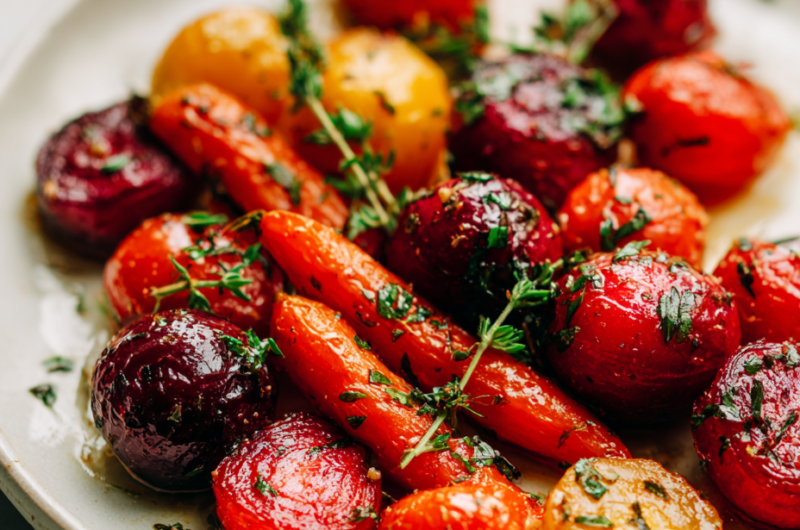
Radishes often get a bad rap for being too sharp, almost like biting into a little peppery burst. But when you roast them, everything changes—those fiery notes mellow out into something caramelized and unexpectedly sweet. I find myself reaching for radishes in the fridge just to toss them in the oven and see that transformation happen.
This recipe is a quiet reminder that vegetables can surprise us, especially when cooked with patience and a bit of heat. Carrots and radishes together create a contrast that’s both earthy and bright, their textures becoming tender but still holding a bit of bite. It’s simple, unpretentious, and perfect for those nights when you want something wholesome but not fussy.
Roasted radishes and carrots have become my go-to side for a lazy Sunday dinner. The smell of their roasting sweetness curling through the kitchen is comforting in a way that’s hard to describe. Plus, the way the radishes turn gooey and smoky makes me think about all the little surprises hidden in everyday vegetables.
Focusing on how roasting transforms radishes from sharp and peppery to sweet and mellow, revealing their hidden gooeyness and smoky undertones.
The story behind this recipe
- One evening, I was tired of the usual roasted carrots and stumbled upon some radishes at the market. Usually, I’d toss radishes raw into salads, but I wondered what would happen if I roasted them alongside carrots. The result was a revelation—those sharp radishes mellowed into something sweet, almost gooey, with a smoky edge that made me think about childhood dinners and simple flavors.
- Since then, I’ve been obsessed with pairing radishes and carrots in the oven, especially when I want to remind myself that vegetables can surprise you. It’s a humble dish, but the transformation is undeniable—crisp edges, tender insides, and that unexpected, mellow sweetness. It’s become my little ritual for quiet Sunday dinners or quick weeknight fixes.
- heading: The story behind this recipe
Ingredient breakdown: key components
- Radishes: I love how their sharp, peppery bite transforms into a sweet, smoky note after roasting—bring out that caramelized gooeyness with high heat.
- Carrots: Their natural sweetness deepens and becomes almost syrupy when roasted at 200°C (400°F); skip if you prefer a firmer bite, but I think it loses some charm.
- Olive oil: A drizzle of good extra virgin helps develop a crispy, golden exterior—don’t skimp, but avoid overpowering the vegetables’ natural flavors.
- Salt: I use coarse sea salt for that satisfying crunch and flavor punch—finer salts can get lost, so sprinkle generously but thoughtfully.
- Black pepper: Freshly cracked adds a subtle heat that balances the sweetness—don’t skip it, even if you’re tempted to keep it simple.
- Herbs (like thyme or rosemary): A few sprigs add smoky, aromatic highlights—fresh herbs work best, but dried can be a quick substitute if you crush them first.
- Optional balsamic vinegar: Just a splash at the end enhances the smoky sweetness with a tangy brightness—be careful not to add too much, or it’ll overpower.
Spotlight on key ingredients
Radishes:
- I love how their sharp, peppery bite transforms into a sweet, smoky note after roasting—bring out that caramelized gooeyness with high heat.
- Carrots: Their natural sweetness deepens and becomes almost syrupy when roasted at 200°C (400°F); skip if you prefer a firmer bite, but I think it loses some charm.
- Olive oil: A drizzle of good extra virgin helps develop a crispy, golden exterior—don’t skimp, but avoid overpowering the vegetables’ natural flavors.
Carrots:
- I appreciate how their innate earthy sweetness gets amplified, turning tender and syrupy—watch for that glossy, caramelized surface.
- Sea salt: I prefer coarse sea salt for crunch and flavor punch—finer salts can get lost, so sprinkle thoughtfully to enhance every bite.
- Herbs (like thyme or rosemary): A few sprigs add smoky, aromatic notes—use fresh for a more vibrant flavor, but dried works if crushed well.
Notes for ingredient swaps
- Dairy-Free: Olive oil works perfectly—skip butter for a clean, vegetal flavor. Still rich, just without the dairy creaminess.
- Vegan: Use olive oil instead of butter or animal fats—keeps everything plant-based with a crisp finish.
- Herb Variations: Fresh thyme adds smoky notes; dried thyme works but loses some punch. Basil or oregano give a different aromatic lift.
- Sweeteners: A drizzle of honey or maple syrup at the end enhances caramelization—use sparingly to avoid oversweetening.
- Acid Boost: A splash of lemon juice brightens the dish—skip balsamic if you prefer a zingy finish, or swap with apple cider vinegar.
- Vegetable Mix: Parsnips or sweet potatoes can replace carrots—add extra sweetness and a denser texture, but adjust roasting time.
- Additional Spice: A pinch of smoked paprika adds a smoky depth—skip if you want pure vegetable flavor but give it a try for complexity.
Equipment & Tools
- Oven: Heat source for roasting the vegetables evenly.
- Baking sheet: Provides a flat surface for roasting vegetables.
- Parchment paper or silicone mat: Prevents sticking and makes cleanup easier.
- Mixing bowl: Tossing vegetables with oil and seasonings.
- Chef’s knife: Cutting radishes and carrots into uniform pieces.
- Tongs or spatula: Turning vegetables halfway through roasting.
Step-by-step guide to roasting
- Preheat your oven to 220°C (425°F).
- Wash and dry the radishes and carrots thoroughly. Trim the tops and tails if needed.
- Cut the radishes in halves or quarters, depending on size. Slice the carrots diagonally into 1/2-inch thick pieces.
- In a large bowl, toss the vegetables with 2 tablespoons of olive oil, ensuring each piece is well coated.
- Sprinkle generously with sea salt and freshly cracked black pepper. Add herbs if using, tossing again.
- Spread the vegetables out in a single layer on a baking sheet lined with parchment paper or a silicone mat.
- Roast in the oven for 20-25 minutes. Halfway through, toss the vegetables gently to promote even caramelization.
- Watch for the edges to turn golden brown and the radishes to become slightly gooey and smoky. The carrots should be tender and caramelized.
- Remove from oven and rest for 5 minutes. Drizzle with a splash of balsamic vinegar if desired for extra brightness.
- Plate the roasted radishes and carrots, garnishing with fresh herbs or a sprinkle of flaky sea salt. Serve warm.
Let the vegetables rest for 5 minutes after roasting. Drizzle with balsamic vinegar if desired, then transfer to a serving dish. Garnish with fresh herbs or flaky sea salt for an added touch.
How to Know It’s Done
- Radishes are slightly shriveled and gooey around the edges.
- Carrots are tender when pierced with a fork and have a caramelized exterior.
- Vegetables emit a warm, roasted aroma with hints of smoky sweetness.
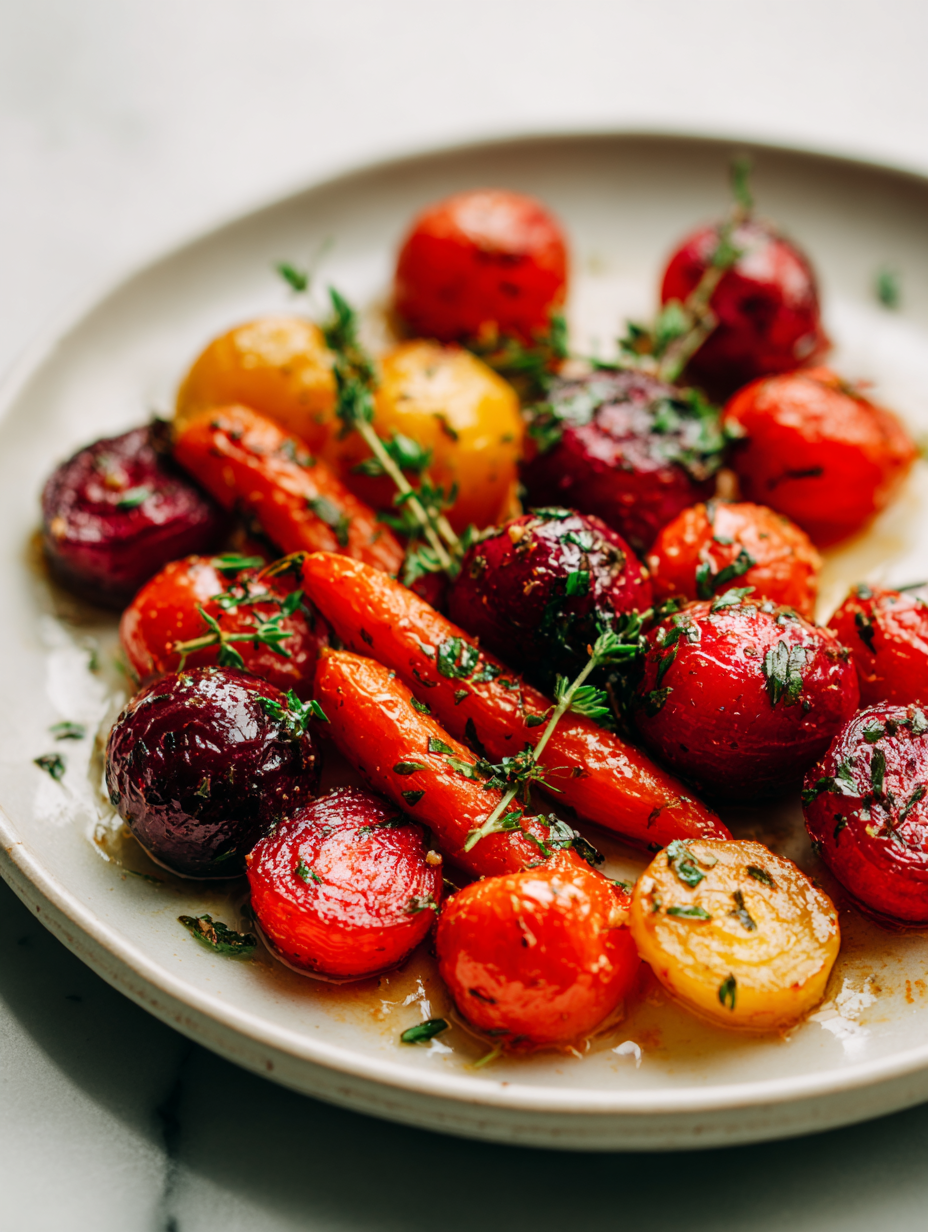
Roasted Radishes and Carrots
Ingredients
Equipment
Method
- Preheat your oven to 220°C (425°F). Line a baking sheet with parchment paper or a silicone mat for easy cleanup.
- Wash and dry the radishes thoroughly, then trim off their tops and tails. Slice the radishes in halves or quarters depending on their size, aiming for uniform pieces.
- Peel the carrots and cut them diagonally into approximately 1/2-inch thick slices. This shape helps them cook evenly and looks appealing when roasted.
- In a large mixing bowl, toss the radishes and carrots with 2 tablespoons of olive oil, making sure each piece is well coated. This helps them develop a crispy exterior and rich flavor.
- Sprinkle the vegetables generously with coarse sea salt and freshly cracked black pepper. Add the sprigs of thyme or rosemary if using, then toss again to distribute the seasonings evenly.
- Spread the vegetables out in a single layer on your prepared baking sheet, ensuring they are not crowded. This promotes even roasting and caramelization.
- Place the baking sheet in the oven and roast for about 20-25 minutes. Halfway through, use tongs or a spatula to toss the vegetables gently, so they brown evenly and develop those smoky, gooey edges on the radishes.
- Look for the radishes to shrink slightly and turn a golden brown around the edges, with a gooey, caramelized appearance. The carrots should be tender and glossy, with brown bits indicating caramelization.
- Remove the vegetables from the oven and transfer them to a serving dish. Drizzle with a tablespoon of balsamic vinegar if you like a tangy brightness, and toss gently to coat.
- Let the vegetables rest for a few minutes, then taste and adjust seasoning if needed. Garnish with fresh herbs or a pinch of flaky sea salt for extra flavor. Serve warm and enjoy the smoky, sweet roasted vegetables!
Tips and tricks for perfect roasting
- High heat: Roast at 220°C (425°F) for that caramelized, smoky finish—don’t shy away from the oven’s hot side.
- Even cutting: Keep radishes and carrots similar in size for uniform roasting—no one wants burnt edges or undercooked centers.
- Toss mid-roast: Gently turn the vegetables halfway through—this ensures even browning and prevents sticking or burning.
- Watch the edges: Look for slightly shriveled, golden-brown edges on radishes—they turn gooey and smoky when just right.
- Use parchment: Lining your baking sheet prevents sticking and makes cleanup a breeze—plus, it helps crisp up those edges.
- Finish with acid: A splash of balsamic vinegar at the end enhances sweetness and adds a smoky, tangy shine—don’t skip it.
- Cooling time: Let the vegetables rest for 5 minutes after roasting—this helps set the flavors and keeps them tender but not mushy.
Common mistakes and how to fix them
- FORGOT to dry vegetables thoroughly → Soggy roasting, pat dry for crisp edges.
- DUMPED oil directly on vegetables → Toss gently to coat evenly, avoid pooling.
- OVER-TORCHED vegetables → Reduce heat or shorten roasting time to prevent burning.
- FAILED to preheat oven properly → Wait until oven reaches temperature before roasting.
Quick fixes and pantry swaps
- When vegetables release excess moisture, splash with a little oil to crisp them up.
- If radishes turn bitter, reduce roasting time or lower oven temperature slightly.
- DUMPED too much salt? Rinse vegetables quickly and pat dry before roasting again.
- Splash with lemon juice if smoky flavor is too intense or overpowering.
- Patch soggy spots with a quick blast under the broiler for 5 seconds to re-crisp.
Prep, store, and reheat tips
- Prepping the vegetables: Wash, trim, and cut radishes and carrots a day ahead. Keep them refrigerated in an airtight container to maintain freshness and prevent moisture loss, which could make them soggy.
- Storing roasted leftovers: Once cooled, transfer roasted radishes and carrots to a sealed container. They will keep well in the fridge for up to 3 days, maintaining their smoky aroma and tender texture if stored properly.
- Reheating tips: Reheat in a 180°C (350°F) oven for 10-15 minutes until warmed through and edges are crispy again. Expect a slightly softer texture but retain that smoky flavor and sweetness with proper reheating.
- Sensory note during reheating: The smell of roasted vegetables should revive with a warm, caramelized aroma. The texture will be tender with a hint of crispness if reheated carefully.
- Flavor changes over time: Be aware that reheated vegetables might lose a bit of their fresh smoky intensity and become slightly more mellow, but the natural sweetness will still shine through.
Top questions about roasted radishes and carrots
1. What makes roasting radishes different from eating them raw?
Roasted radishes mellow from sharp and peppery to sweet and smoky, developing a gooey, caramelized texture that surprises many first-timers.
2. Can I roast carrots and radishes together without overcooking either?
Yes, roasting carrots enhances their natural sweetness, giving them a tender, caramelized exterior that contrasts with their earthy flavor.
3. How do I get the vegetables to caramelize properly?
Use high heat—around 220°C (425°F)—and toss the vegetables halfway through roasting for even caramelization and smoky edges.
4. How do I know when the vegetables are perfectly roasted?
Radishes tend to shrink and soften, becoming gooey around the edges, while carrots turn tender and slightly sticky with a deep amber glaze.
5. Can I swap the olive oil for another oil?
You can substitute olive oil with avocado or grapeseed oil for similar roasting performance, though flavors might differ slightly.
6. What herbs work best with this dish?
Fresh herbs like thyme or rosemary add smoky, aromatic notes; dried herbs work if crushed well and used sparingly.
7. How should I store leftovers and reheat them?
Roasted radishes can be stored in the fridge for up to 3 days in an airtight container. Reheat in a 180°C (350°F) oven for 10-15 minutes until warm and crispy.
8. What if the vegetables turn out soggy?
If vegetables seem soggy, spread them out more or increase oven temperature slightly for a few minutes to crisp them up again.
9. How do I fix soggy or limp roasted vegetables?
When radishes release too much moisture, splash with oil or herbs and roast a few extra minutes for crispness.
10. Can I add vinegar or acid after roasting?
A quick drizzle of balsamic vinegar at the end enhances their smoky sweetness, adding a tangy contrast that brightens the dish.
Roasted radishes and carrots might seem simple, but their smoky sweetness and tender bites hold a quiet magic. There’s something about transforming humble vegetables into a warm, caramelized side that feels grounding, especially now. It’s a reminder that good flavor often comes from patience and a bit of heat, not complicated tricks.
Whenever I cook this, it’s like a small, honest celebration of everyday ingredients. No fuss, just the natural surprises that roasting unlocks—those gooey radishes and deeply caramelized carrots make me appreciate the quiet beauty of simple food. It’s a dish I keep coming back to when I need that honest, comforting flavor in the middle of a busy week.

I’m Emily Richardson, the heart and soul behind Playing with Flavors. Cooking isn’t just a hobby for me – it’s a passion that I’ve cultivated for years, and it’s become the driving force of my life.
From the kitchen of my cozy café to the pages of this blog, every dish I create is a reflection of my love for food and the joy it brings to people.